Moroccan films to start with
Ten Moroccan films, from Ali Zaoua to The Blue Caftan, that show the range and ambition of the country's cinema.
 Salah Edine · 4 min read
Ali Zaoua: Prince of the Streets
Moroccan cinema rarely gets the attention it deserves outside film festivals, which is a shame, because the last twenty-five years have produced a remarkable body of work. Directors from Casablanca, Tangier and Meknes have made street dramas, deadpan comedies, quiet love stories and genre-bending documentaries, often with very small budgets and a lot of nerve. If you are new to it, the ten films below are a good way in. They are arranged roughly by year, so you can also read the list as a short history of where Moroccan film has been going.


Ali Zaoua: Prince of the Streets (2000)
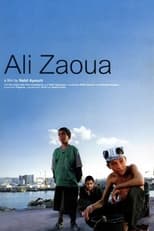
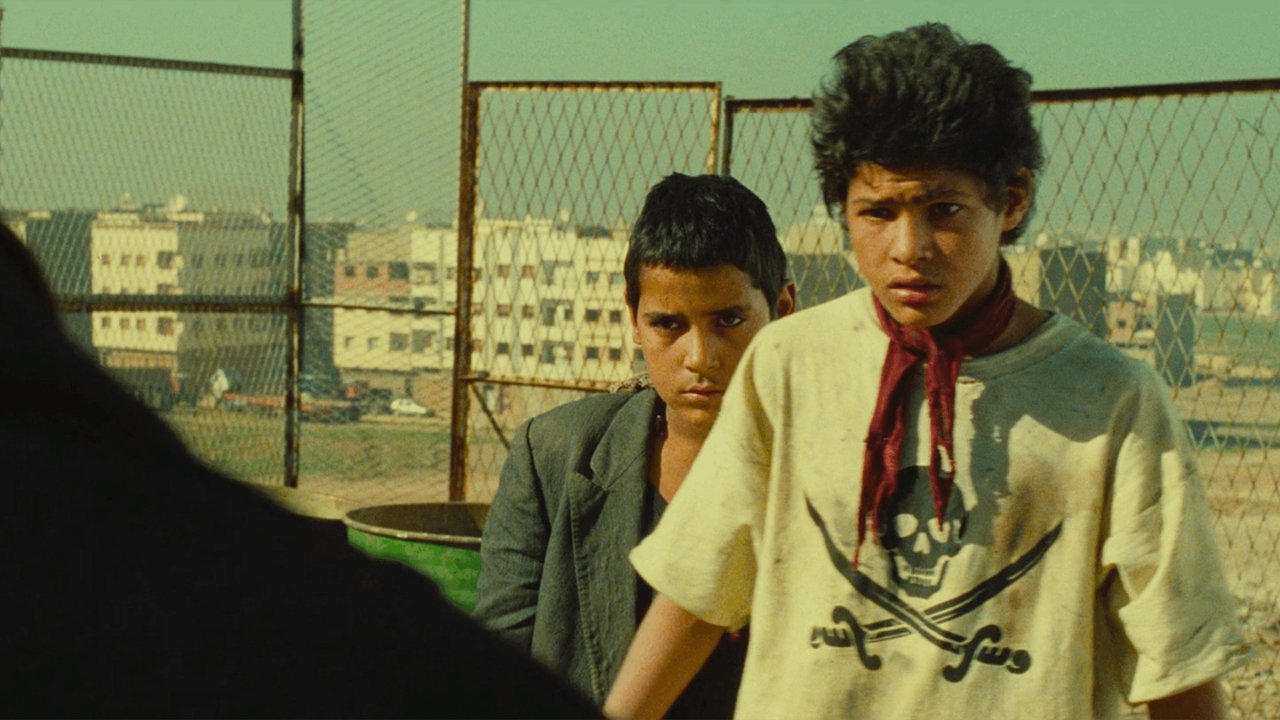
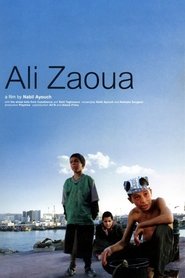
Nabil Ayouch's second feature follows a gang of homeless boys in Casablanca. Ali, who dreams of going to sea, is killed early in the story, and his three friends set out to give him the funeral of a prince. Ayouch worked with children who knew the streets first-hand, and that shows in every scene. The film is tough but full of tenderness and imagination, and it remains one of the most important Moroccan films of its era.
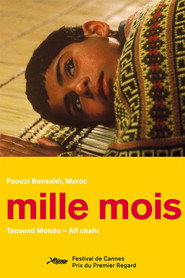
A Thousand Months (2003)
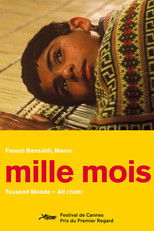
Faouzi Bensaïdi's first feature is set in a small mountain village in 1981, during Ramadan. Young Mehdi lives with his mother and grandfather while his father is in prison, although the boy has been told he is working in France. Bensaïdi frames village life in long, carefully composed shots, and the result feels like a series of living paintings. It is slow in the best sense, and rewards anyone who enjoys patient, observational cinema.
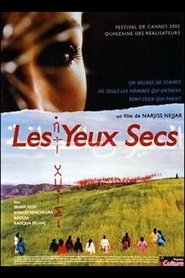
Cry No More (2003)
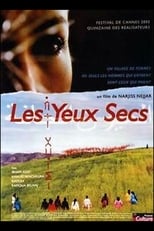
Known in French as Les Yeux secs, Narjiss Nejjar's debut takes place in a remote village in the Atlas mountains where women live by their own hard rules. A woman returning after years in prison becomes the centre of a story about memory, shame and the cost of survival. The landscapes are stark and beautiful, and Nejjar films the women's faces with real attention. Approach it as a poetic, almost mythic drama rather than a realist one.
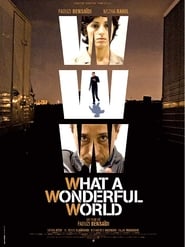
WWW: What a Wonderful World (2006)
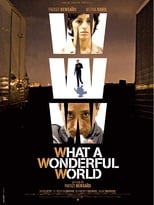
Bensaïdi returns here with something entirely different: a stylish, deadpan crime comedy. He also plays the lead, Kamel, a hitman in Casablanca who receives his contracts online, and whose life drifts into that of a traffic policewoman. The humour owes something to silent cinema, with precise choreography and visual gags. It is a great pick for viewers who think Moroccan film means only social drama.
Films in this article
Related stories




Have something to say about a film? Write for the Journal.
Film and TV information and images from TMDB. Streaming data by JustWatch.